

What does it mean to really get to know a child? Not just their age, diagnosis, or the behaviours adults notice most, but the things they enjoy, the way they communicate, the people they trust, and what helps them participate in everyday life.
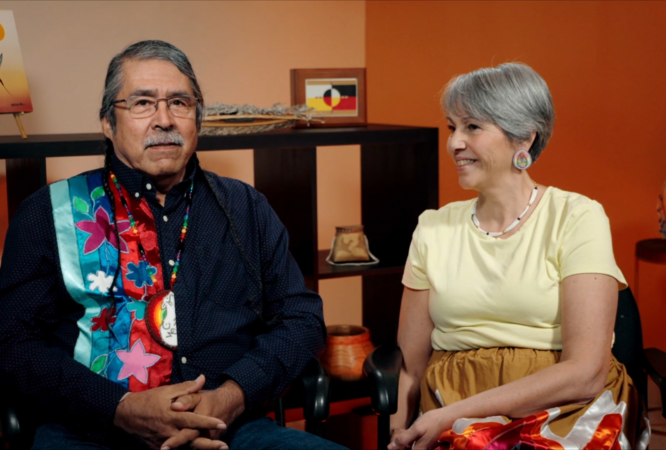
This module invites educators to explore neurodiversity through an Indigenous relational lens, recognizing that children experience, communicate, learn, and connect with the world in different ways. Grounded in teachings about children’s gifts, relationships, identity, and belonging, educators explore how different ways of knowing can deepen their understanding of each child.
Through an introduction to neurodiversity, Two-Eyed Seeing, and behaviour as communication, educators consider how labels, assumptions, and expectations can influence the ways children are understood and supported. The course encourages curiosity over judgment, recognizing that children’s actions may communicate different needs, preferences, strengths, and experiences.
Using everyday examples and practical strategies, educators explore how to support children with diverse needs during play, routines, transitions, and moments of overwhelm. The course emphasizes connection, co-regulation, and responding to children’s individual cues, while recognizing that meaningful support does not always require an immediate solution.
Throughout the module, educators are encouraged to recognize each child’s gifts, honour their individual ways of being, and build relationships that support dignity, safety, participation, and belonging.
At the end, when you have completed this module you will receive a certificate of completion.
- 4 Sections
- 15 Lessons
- 52 Weeks
- Beginning in a Good WayWelcome to the module. Begin by exploring what you will learn, how the Medicine Wheel Reflection will guide your reflection, and what you need to know before getting started.5
- Learning ChaptersEngage with the course content through Elder and Knowledge Keeper teachings, video demonstrations, childcare scenarios, reflections and learning activities that invite you to connect new ideas with your own experiences.7
- Bringing Learning Into PracticeReflect on your learning through the Medicine Wheel Reflection, Module Assignment and Quiz to strengthen and check your understanding of the modules key ideas.5
- Carrying the Learning ForwardUse the Practice Integration Sheet to consider how you will carry your learning into your everyday practice. Take time to acknowledge your learning, close in a good way and identify opportunities to continue your learning journey.3

You might also be interested in...
-
All levels
-
Videos
-
Reflection
-
Integration Sheet
-
All levels
-
Videos
-
Reflection
-
Integration Sheet
-
All levels
-
Videos
-
Reflection
-
Integration Sheet

-
All levels
-
Videos
-
Reflection
-
Integration Sheet